
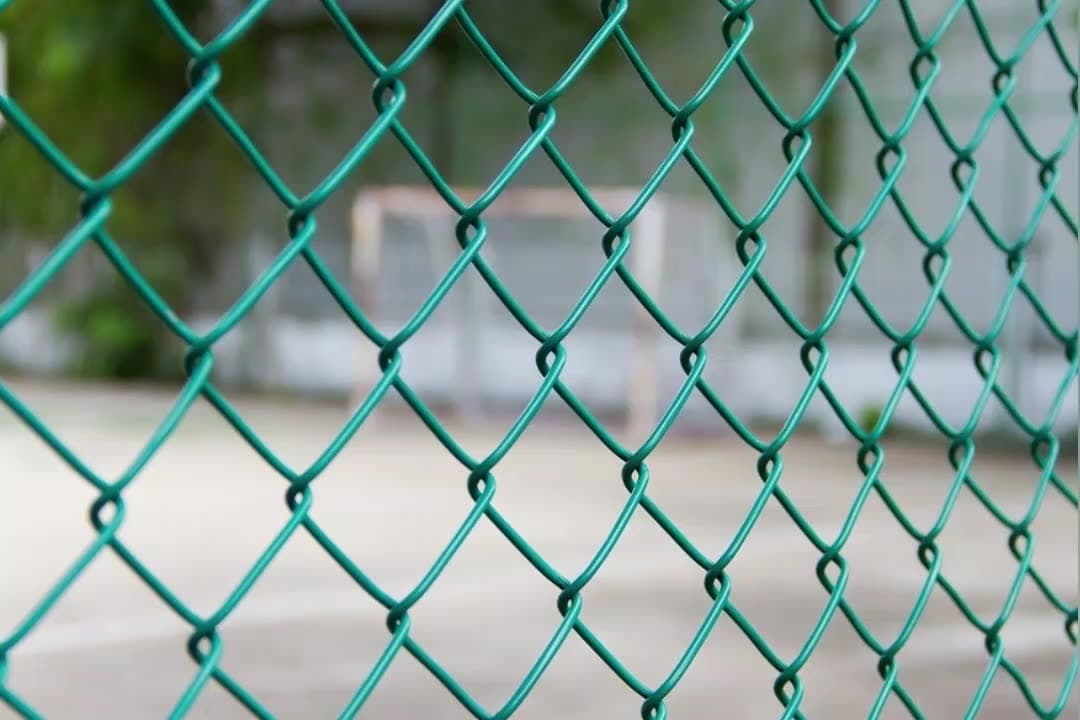
A good chain link fence can stay in service for decades, but there is no single expiration date. A typical chain link fence lifespan is around 20 to 30 years when the fence is properly installed, made from quality materials, and given basic care.
Some galvanized fences may fall closer to 15 to 25 years, while higher-quality galvanized or vinyl-coated systems can last 30 years or longer. The biggest difference usually comes down to four things: the protective coating, installation quality, exposure to moisture, and how quickly small problems are repaired.
Project-guided by Empire Fence
Trusted fencing guidance that turns confusing material choices, aging-fence problems, property conditions, gates, and installation requirements into clear next steps. Empire Fence works with residential and commercial fencing projects across the Inland Empire, with a practical focus on helping property owners spot problems early, avoid unnecessary replacement, and make better decisions about repair or installation.
Quick Answer: How Long Does a Chain Link Fence Last?
Most property owners can reasonably expect a properly installed chain link fence to last about 20 to 30 years.
That is a useful starting point, not a guarantee. A lighter-duty fence exposed to constant moisture, damaged coating, poor drainage, or weak installation may deteriorate sooner. A quality galvanized or vinyl-coated system with secure posts and routine care can stay functional beyond 30 years.
The important question is not only how old the fence is. It is how well the fence is aging.
A 20-year-old fence with solid posts, tight mesh, working gates, and only minor surface rust may have plenty of useful life left. A much newer fence with leaning posts, spreading corrosion, or loose fabric may already need significant repairs.
Chain Link Fence Lifespan at a Glance
Fence condition or type / General lifespan expectation / What usually affects it most
- Standard galvanized chain link: About 15–25 years · Zinc coating, moisture, installation
- Well-installed quality galvanized fence: Around 20–30+ years · Coating quality, drainage, maintenance
- Vinyl-coated chain link: Often 20–30+ years · Condition of coating and steel underneath
- High-use commercial fence: Varies widely · Gauge, framework, gates, impact, and traffic
- Fence in wet or corrosive conditions: Often shorter · Moisture, salt, soil contact, and damaged coating
These ranges overlap for a reason. A well-made galvanized fence in a dry environment may outlast a poorly installed vinyl-coated fence. The coating matters, but it cannot compensate for weak posts, bad drainage, damaged gates, or neglected corrosion.
What Affects the Lifespan of a Chain Link Fence?
Two chain link fences installed in the same year can age very differently. These are the factors that usually explain why.
Galvanized Steel and Coating Quality
Most chain link fencing starts with steel protected by zinc. That zinc is important because bare steel is vulnerable to corrosion. The protective layer takes the environmental exposure first and helps keep moisture and oxygen away from the underlying steel.
As the coating becomes worn, scratched, or consumed over time, the steel underneath becomes more vulnerable. This is why the word “galvanized” alone does not tell you everything about durability. Coating quality and thickness matter.
For larger residential or commercial jobs, it can be worth asking what type of galvanized fabric is being supplied and what specification the material meets.
Vinyl-Coated Chain Link
Vinyl-coated chain link adds another protective layer over the metal. The coating also changes the appearance of the fence, with black and green being common choices.
The main durability advantage is that the outer layer creates another barrier between the metal and moisture. That does not mean vinyl-coated fencing cannot rust.
If the coating becomes deeply scratched, cracked, or damaged, moisture can eventually reach the metal underneath. Damaged areas are worth inspecting instead of assuming that the coating makes the fence maintenance-free.
Wire Gauge and Framework
Wire gauge affects how well chain link fabric stands up to bending, impact, animals, repeated contact, and other physical stress.
Heavier-duty framework can also make a major difference on commercial properties, large gates, high-traffic locations, or long fence runs.
Do not confuse heavier wire with better corrosion protection, though. Wire thickness helps with physical strength. Galvanization or another protective finish is what primarily protects the steel from corrosion. Both matter for a long-lasting fence.
Installation Quality
Good materials can still perform poorly when the installation is wrong. Posts need to be properly positioned and supported. Fabric needs the correct tension. Gates need enough structural support for their size and daily use. Rails, ties, and fittings need to work as one system.
Improper installation can lead to:
- Leaning posts
- Sagging mesh
- Loose fittings
- Gates that drag or stop lining up
- Excessive movement during wind or everyday use
- Premature stress on sections of fabric
If several of those issues appear early, the material itself may not be the main problem.
Climate, Moisture, and Corrosion
Moisture is one of the biggest enemies of an aging metal fence. Pay particular attention to areas where:
- Sprinklers repeatedly hit the fence
- Soil or mulch touches the bottom of the mesh
- Vegetation holds moisture against the wire
- Water sits around posts
- Damaged coatings expose steel
- The property is exposed to salty or highly corrosive conditions
A dry-looking yard can still have small areas that stay wet day after day. Those small areas often matter more than the average weather for the entire city.
Everyday Wear and Gate Use
The fence fabric may sit quietly for years. Gates do not.
Every opening and closing puts force on hinges, gate posts, latches, and surrounding framework. Commercial entrances and frequently used driveway gates can therefore develop problems before the rest of the fence.
Dogs pushing against a fence, children climbing it, landscaping equipment hitting posts, and vehicles bumping gates also add up over time. That is why fence age alone rarely tells the full story.
Galvanized vs. Vinyl-Coated Chain Link: Which Lasts Longer?
A quality galvanized chain link fence already has good corrosion protection. Vinyl-coated fencing adds another protective barrier and may provide additional resistance to moisture reaching the galvanized steel underneath.
As a practical rule:
- Standard galvanized chain link often falls around the 15–25-year range.
- Quality galvanized systems can reach 20–30 years or longer.
- Vinyl-coated systems often reach 20–30+ years when the coating remains intact.
But there is an important catch. A properly installed galvanized fence can easily be a better long-term system than poorly installed vinyl-coated fencing.
Think of coating as one part of the system, not the whole system. Posts, framework, gates, drainage, wire strength, tension, and site conditions all matter.
How Long Does a Chain Link Fence Last in Southern California?
Southern California creates a different set of fence conditions than a humid coastal or snow-heavy climate. In inland areas, relatively dry conditions can be favorable for galvanized steel. But localized moisture still causes problems.
Sprinklers are a common example. If one section of fence gets sprayed every morning, that section experiences a very different environment than the fence 30 feet away. Dirt, grass, mulch, and landscaping against the bottom of the mesh can keep moisture trapped there even after the surrounding yard looks dry.
Post areas deserve the same attention. Poor drainage around a post can keep the steel exposed to moisture at ground level.
This is why a knowledgeable fence company in Ontario, CA should look at the actual property conditions instead of estimating remaining fence life from age alone.
For Inland Empire properties, irrigation, drainage, coating condition, gate use, soil contact, and the quality of the original installation are often more useful clues than the calendar.
How to Make a Chain Link Fence Last Longer
Chain link is relatively low maintenance, but low maintenance does not mean no maintenance. A few simple habits can prevent a minor issue from becoming a larger repair.
Keep Dirt and Plants Away From the Bottom
Walk the fence line occasionally and look at the lowest few inches.
Clear away:
- Piled soil
- Mulch
- Thick grass
- Vines
- Leaves
- Debris
The goal is simple: do not create a permanently damp pocket against the steel. Plants can also pull on the mesh as they grow. A little landscaping control can prevent both moisture problems and physical stress.
Catch Rust Before It Spreads
A tiny rust spot is very different from a section of wire that has already lost significant metal. Check scratches, cut areas, fittings, gates, and spots near ground level.
Early surface rust may be manageable by cleaning the damaged area and applying a suitable rust-inhibiting coating made for exterior metal.
Do not simply paint over loose, flaky corrosion. If the metal has become thin, brittle, or structurally weak, coating it will not restore the lost strength.
Check Posts, Rails, Ties, and Gates
Give the fence a basic visual inspection a few times each year and after anything that may have damaged it.
Look for:
- Posts that lean or move
- Loose top rails
- Missing or broken ties
- Fabric pulling away from posts
- Sagging mesh
- Gate hinges that move
- Latches that no longer line up
- Bent sections
- Loose fittings
A gate that suddenly begins dragging can be an early warning that something has shifted. Fixing one hinge, tie, or damaged section early is usually much easier than repairing damage after the load starts affecting surrounding parts of the fence.
Repair Damaged Coatings
Pay attention to places where equipment, branches, tools, or other objects have scraped through a protective finish. Small exposed areas should be addressed before corrosion has an opportunity to spread underneath the surrounding coating.
The same rule applies after fence repairs. If work exposes unprotected metal, make sure the repaired area receives appropriate corrosion protection.
Signs Your Chain Link Fence Is Near the End of Its Life
Age is only one clue. Physical condition matters more.
Widespread rust: A few small surface spots are one thing. Large areas of rust, especially where wire has become thin or brittle, are much more serious.
Rust at ground level: The bottom of the fabric and lower sections of posts are easy places for moisture to remain trapped.
Leaning or loose posts: A fence cannot remain stable when the framework supporting it is moving.
Repeated sagging: Mesh that will not stay properly tensioned may indicate problems with posts, rails, tension components, or the fabric itself.
Broken or separating wire: Isolated damage can often be repaired. Failure throughout multiple sections is a different problem.
Loose or damaged top rail: The framework helps distribute support along the fence line.
Gate problems that keep returning: A gate that constantly sags, drags, or stops latching can indicate worn hardware or movement in the gate posts.
One problem does not automatically mean the fence is finished. Several structural problems across the same fence are a stronger reason to compare repair costs with replacement.
Should You Repair or Replace an Older Chain Link Fence?
This is where property owners often spend money unnecessarily. A rusty spot does not automatically require a new fence.
Likewise, repeatedly repairing a badly deteriorated system can become more expensive than replacing the failing portion properly.
Repair usually makes sense when:
- Damage is limited to one small area
- Most posts remain solid
- The top rail is in good condition
- Rust is superficial or localized
- One gate needs adjustment
- A limited section of fabric is damaged
- The rest of the system is structurally sound
Replacement becomes more reasonable when:
- Corrosion is widespread
- Multiple posts are badly rusted or moving
- Large sections of fabric have weakened
- Repairs keep failing
- The fence no longer provides dependable security
- The layout no longer serves the property
- Gates and supporting framework are failing together
When you cannot tell which situation you have, a fence contractor can inspect the framework, fabric, posts, gates, and site conditions before you commit to either repair or full replacement.
That inspection matters because chain link is modular. Sometimes the fabric needs replacement while much of the framework remains usable. In other situations, a deteriorated framework makes keeping the old fabric a poor investment.
The right answer depends on what is actually failing.
Why Installation Quality Has Such a Big Effect on Fence Life
A fence begins aging the day it is installed. Good installation controls how it ages.
Posts that are adequately supported help the fence stay upright. Properly tensioned mesh reduces sagging. Correct gate construction keeps repeated movement from overstressing the rest of the fence. Appropriate materials and coatings help the system handle the conditions around the property.
That is why professional chain link fence installation should start with the property rather than with a roll of mesh.
The installer should consider:
- Total fence length
- Height
- Residential or commercial use
- Number and size of gates
- Soil and grade
- Drainage
- Access requirements
- Expected traffic
- Coating and finish
- Existing fencing that must be removed or matched
A fence designed for a quiet backyard does not face the same demands as a commercial perimeter with vehicle gates opening throughout the day. Specifying the system around its real use can make the difference between a fence that constantly needs attention and one that quietly does its job for years.
Is Chain Link a Good Long-Term Fence Choice?
For the right property, yes.
Chain link continues to make sense because it combines several useful qualities:
- Long service life
- Relatively low maintenance
- Strong visibility
- Practical security
- Flexible gate layouts
- Suitability for long fence runs
- Repairable individual components
- Residential and commercial applications
It is not the ideal fence for every property. If complete backyard privacy or a highly decorative frontage is the main goal, another material may make more sense.
But when the priority is dependable enclosure, visibility, security, pet containment, or practical coverage over a larger area, chain link remains difficult to dismiss.
The key is choosing the right specification and installing it correctly.
Frequently Asked Questions About Chain Link Fence Lifespan
How long does a galvanized chain link fence last?
A properly installed galvanized chain link fence commonly lasts around 15 to 25 years, with quality systems in favorable conditions potentially reaching 20 to 30 years or longer. Coating quality, moisture, installation, and maintenance have a major effect on the final lifespan.
Does vinyl-coated chain link last longer?
It can. Vinyl provides an additional barrier over the metal and helps reduce direct environmental exposure. The benefit depends on the quality and condition of the coating as well as the galvanized material underneath it.
What causes a chain link fence to rust?
Rust becomes possible when moisture reaches exposed steel. Scratches, worn coatings, constant sprinkler exposure, soil contact, trapped vegetation, drainage problems, and corrosive environments can all increase the risk.
Can a rusty chain link fence be repaired?
Small areas of surface rust may be cleaned and protected before the problem becomes structural. Sections with deeply corroded or weakened metal may need replacement. Widespread corrosion across fabric, posts, or framework is a stronger reason to evaluate replacing the affected system.
Do chain link fence posts last as long as the mesh?
They can, but their condition depends heavily on material, coating, installation, soil, drainage, and damage. A post that remains wet at ground level may deteriorate differently from fabric several feet above it.
How often should I inspect a chain link fence?
A quick visual check a few times a year is usually enough for a fence that is performing normally. Check sooner after storms, impact, construction work, landscape changes, or anything else that may have moved or damaged the fence.
Can a chain link fence last more than 30 years?
Yes. A quality system in favorable conditions can remain functional beyond 30 years. That should be viewed as a possible outcome rather than a universal lifespan. Material specification, coating, installation, climate, drainage, use, and maintenance all affect the result.
Is an old chain link fence automatically unsafe?
No. Age by itself does not determine safety. A structurally stable older fence may still perform well, while a younger fence with badly corroded posts, broken fabric, or unstable gates may need attention much sooner.
Get Clear Answers Before Repairing or Replacing Your Fence
If your chain link fence is getting older, do not make the decision based on age alone. Look at the entire system.
Check the fabric. Look closely at the bottom edge. Test the gates. Watch for moving posts, spreading rust, loose rails, damaged coatings, and recurring repairs.
Minor problems caught early may only need targeted work. When corrosion or structural damage affects multiple parts of the fence, a professional inspection can help determine whether another repair is worthwhile or whether replacement will provide better long-term value.
Empire Fence works with residential and commercial fencing projects throughout the Inland Empire and can evaluate the existing fence, site conditions, access needs, and project scope before recommending the next step.