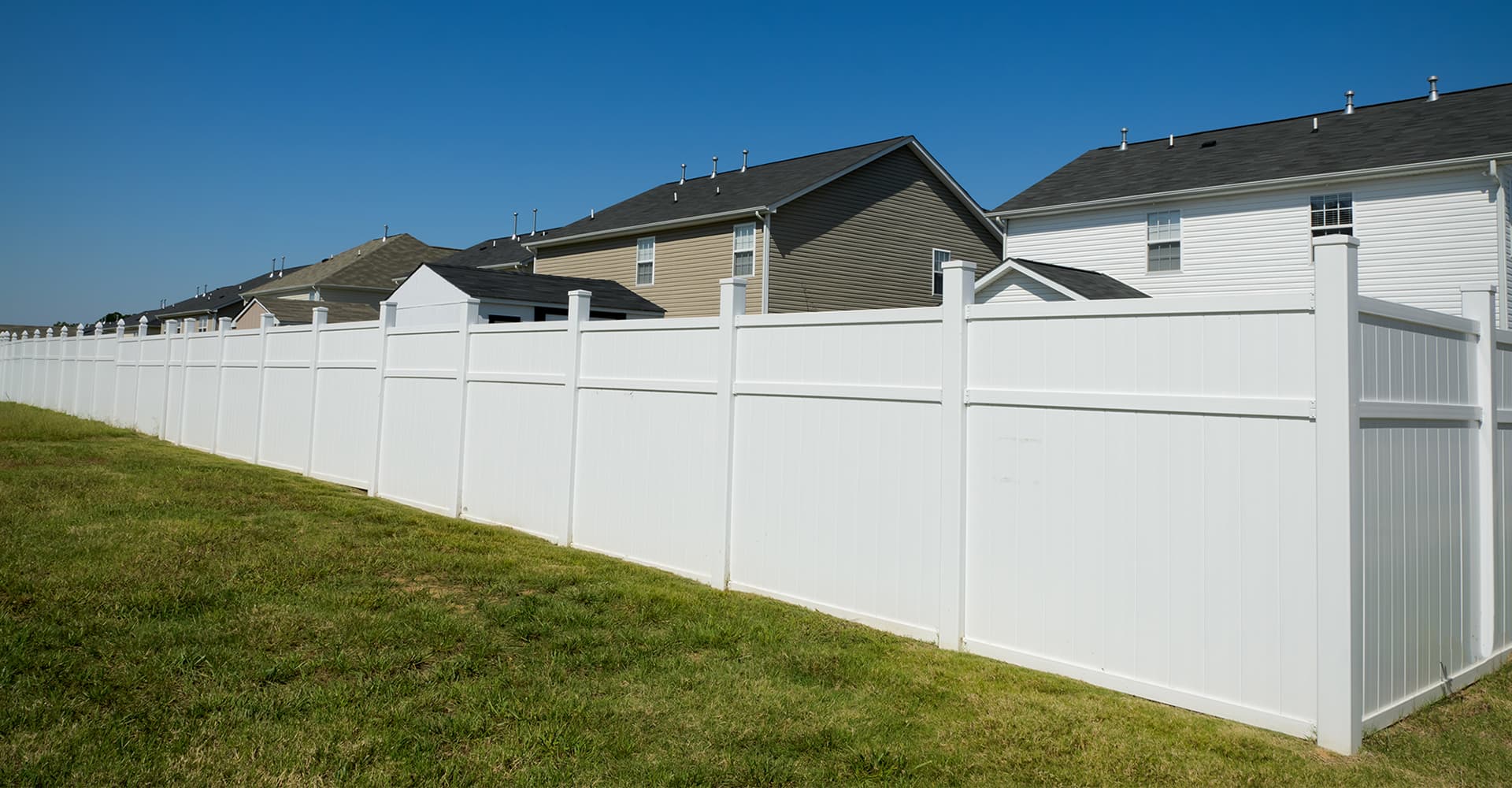
Empire Fence installs vinyl fence systems in Jurupa Valley for property owners who want privacy, a cleaner finished perimeter, and a material that stays easier to manage over time.
Vinyl is one of the strongest choices when the goal is not just to close off a yard, but to create a fence line that still looks finished after years of weather, everyday use, and changing priorities around the property. It fits backyard privacy runs, side-yard separation, replacement fencing for aging wood, and many residential properties that need a more dependable long-term solution.
The main value of vinyl is simple: it delivers strong privacy with a cleaner maintenance profile. Owners do not usually choose it because it is the cheapest option on day one. They choose it because it keeps looking consistent, does not ask for the same upkeep as wood, and works well on properties where the fence is visible from both the yard and the street.
Where vinyl fencing works best
- Backyard privacy fencing where seclusion matters every day
- Side-yard runs that need a straight, finished look
- Replacement projects where older wood fencing is leaning, rotting, or no longer worth repairing
- Residential perimeter sections where consistency and low maintenance matter more than a rustic material feel
- Projects that need matching vinyl gates to keep the enclosure looking intentional
Why vinyl is often the right call
Many clients already know they want privacy, but they are still deciding between wood and vinyl. That is usually the real buying question.
Vinyl makes the most sense when the owner wants:
- a cleaner, more uniform finish
- less repainting, staining, or patchwork upkeep
- a material that holds visual consistency across a long run
- a fence system that supports a modern or neatly finished exterior
It is especially useful for families, rental properties, side-yard separations, and homeowners who want the fence to solve the privacy problem once without turning into an annual maintenance project.
How Empire Fence plans a vinyl fence project
A strong vinyl fence installation starts with layout, not with panels.
Empire Fence uses the estimate to understand where privacy matters most, how the property is accessed, where the gates need to swing, and how the fence should meet the grade across the site. That is what keeps a vinyl fence from feeling like a generic kit dropped onto the lot.
The estimate conversation usually covers:
- total run and approximate footage
- privacy expectations from neighbors or street view
- gate width and traffic flow
- corners, transitions, and slope
- whether an older fence needs to be removed first
- any visible frontage conditions that should influence the finish
When those items are handled early, the finished fence reads straighter, cleaner, and more intentional.
Vinyl fence replacement versus new installation
Some vinyl fence projects are full new installs. Others start because the existing fence is simply done.
Older wood fencing often reaches a point where repeated repairs stop making sense. Posts fail, rails separate, pickets start to look uneven, and the whole run loses its line. At that stage, a vinyl replacement can be a better use of money than continuing to repair a system that has already reached the end of its practical life.
That does not mean vinyl is always the answer. It means the estimate should compare what the owner actually wants next: lower maintenance, stronger privacy, cleaner appearance, or a faster route back to a stable perimeter.
Common vinyl fence use cases in the Inland Empire
Across Jurupa Valley and nearby cities, vinyl is a strong fit for:
- side-yard privacy between neighboring homes
- backyard enclosure around patios and family-use space
- replacement of weathered wood fence lines
- perimeter sections where the owner wants the fence to stay visually consistent from multiple angles
- residential lots where the priority is practical privacy with less future upkeep
It also works well when the property needs separate zones, such as a more private backyard enclosure paired with a different front-facing treatment elsewhere on the lot.
What affects the estimate
Vinyl fence pricing is usually shaped by a handful of practical variables rather than one simple per-foot number.
The biggest factors tend to be:
- overall footage
- fence height
- gate quantity and width
- access to the work area
- grade and layout complexity
- removal of an older fence
- transitions into walls, posts, or other exterior elements
That is why the estimate works best when the owner sends photos and a rough idea of the run before the first call. The more clearly the property is understood, the more useful the quote becomes.
When to choose vinyl
Vinyl is usually the right service to start with when the owner wants privacy first, low maintenance second, and a cleaner finished boundary overall.
If the property needs warmth, stain flexibility, or a more natural material character, wood may still be the better fit. But if the priority is durable privacy with less upkeep and a more uniform finish, vinyl is often the stronger long-term decision.
That is the value of a real estimate conversation. The project does not need to start with a fully locked answer. It just needs to start with the right direction.