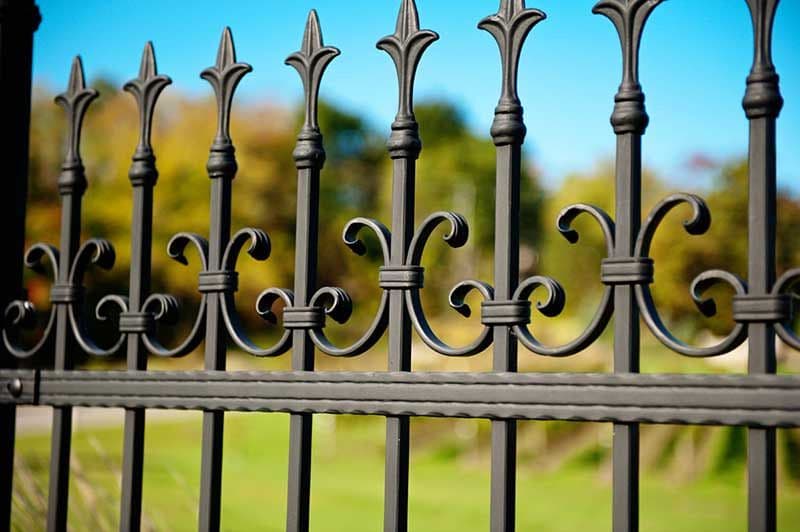
Empire Fence installs wrought iron fences in Jurupa Valley for property owners who want security, stronger curb presence, and a fence system that does more than simply block access.
Wrought iron is one of the most visible materials in the lineup. That means the quality of the finished work matters even more. Spacing, alignment, top-line consistency, gate proportion, and the way the fence meets the rest of the property all shape whether the result feels architectural or weak.
This is why wrought iron is often chosen for the parts of a property people actually see: front-yard fencing, entry gates, pool barriers, side returns near the street, and commercial frontage that still needs a clean public-facing edge.
Where wrought iron works best
- Front-yard fencing and visible frontage lines
- Entry gates and defined driveway sequences
- Pool and safety enclosures where visibility matters
- Properties that need security without creating a boxed-in look
- Homes and businesses where the fence should support the architecture instead of disappearing
Wrought iron is rarely chosen just to be functional. It is usually chosen because the project needs both function and presence.
Why property owners choose wrought iron
The main reason is balance.
Wrought iron can deliver security, boundary control, and gate structure while still keeping the property open to view. That is a big advantage for front-facing sections where owners do not want the house or yard fully hidden behind a solid privacy material.
Owners typically choose wrought iron when they want:
- stronger curb appeal
- more architectural character
- secure but visible frontage
- a gate sequence that feels intentional
- a fence material that complements masonry, stucco, paving, and landscape design
The difference between good iron work and weak iron work
On paper, a wrought iron fence can sound simple. In practice, it is one of the easiest materials to cheapen visually.
Weak iron work usually shows up in:
- uneven lines
- poor spacing
- awkward transitions into gates or columns
- visual misalignment across the frontage
- decorative details that do not match the scale of the property
A better installation is the opposite. It is balanced, clean, and proportioned in a way that makes the whole frontage feel sharper.
How Empire Fence plans a wrought iron project
The estimate should do more than count footage. It should clarify how the fence needs to perform and how visible the result will be.
Empire Fence uses the planning phase to understand:
- what part of the property is being framed
- whether the job includes pedestrian or driveway gates
- how the iron should meet columns, walls, or existing features
- how open or secure the frontage should feel
- whether the project is mainly about curb appeal, security, or both
This is what allows the final install to feel like it belongs with the architecture instead of sitting on top of it.
Best-fit wrought iron projects
This service is especially useful for:
- front-yard fence replacement
- new decorative frontage on a visible lot
- pool fencing that should stay visually lighter than a solid privacy fence
- homes that need a matching gate and fence sequence
- commercial or institutional properties that need a cleaner public-facing perimeter
It can also work well in combination with other materials. Many properties do not need wrought iron everywhere. They need it in the places where visibility and presentation matter most.
What affects the estimate
Wrought iron projects are shaped by more than footage.
The main factors usually include:
- linear footage and height
- gate count and gate size
- decorative level
- finish requirements
- terrain and alignment conditions
- tie-ins to walls, posts, or columns
- fabrication complexity
That is why frontage photos are so helpful. Seeing the site makes it much easier to recommend a design direction that fits the property instead of forcing a generic iron pattern everywhere.
When to choose wrought iron
Wrought iron is the right service to start from when the property needs stronger security and a stronger visual finish at the same time.
If the project is mainly about backyard privacy, a solid material may make more sense. But if the owner wants a front-facing fence, gate, or visible perimeter line that improves the look of the exterior instead of hiding it, wrought iron is one of the strongest choices available.