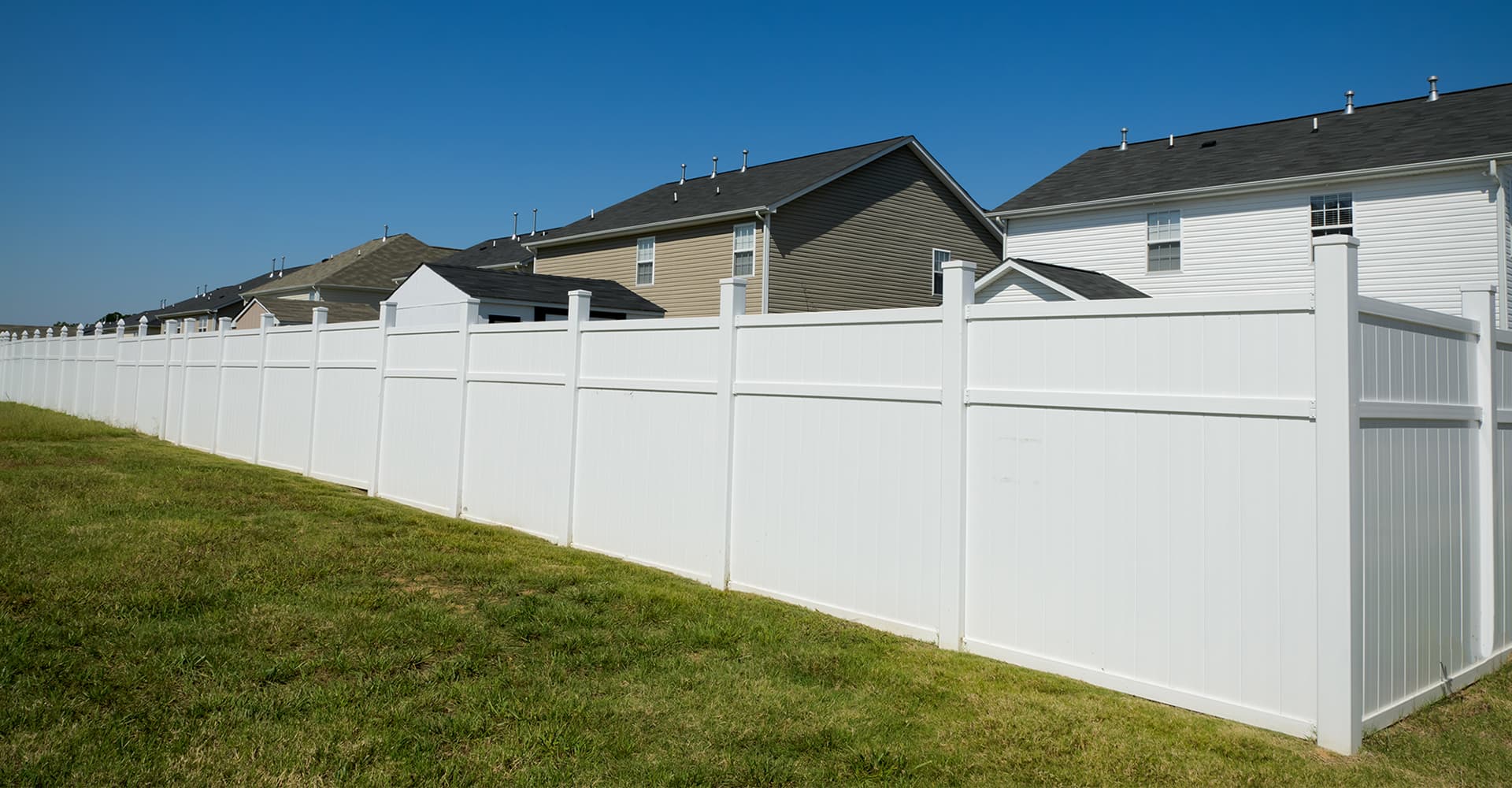
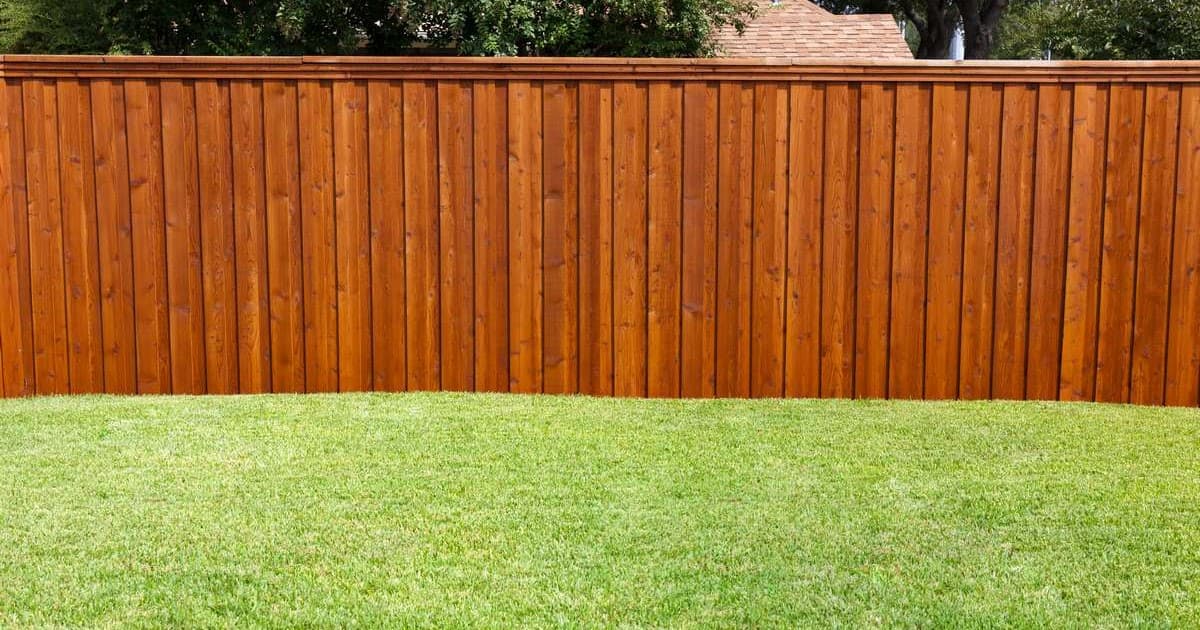
Empire Fence builds wood fences in Jurupa Valley for clients who want privacy, flexibility, and a material that can be tailored more closely to the character of the property.
Wood remains one of the most useful fence materials because it can take on different personalities depending on how the layout is built. It can read classic and straightforward, warm and residential, or much more custom depending on board direction, spacing, cap details, and the way the fence meets gates or adjacent exterior elements.
That flexibility is the reason many property owners still prefer wood even when lower-maintenance materials are available. A good wood fence does not just separate the yard. It can support the look of the house, soften the property line, and create a stronger sense of enclosure without feeling sterile.
Where wood fencing works best
- Full privacy fence runs around backyards and side yards
- Properties that need a more natural or traditional material
- Yard enclosures that should feel warmer and more residential
- Projects where custom board style or layout matters
- Fence replacement when the owner wants more design flexibility than a stock panel system provides
Wood is especially strong when the owner cares about how the fence feels on the property, not just whether it closes off the lot.
Why homeowners still choose wood
The short answer is character.
Wood fencing gives a property a softer, more grounded look than many manufactured materials. It works well when the yard, home, or landscaping would benefit from something that feels more natural and less uniform.
Owners often choose wood because they want:
- strong privacy
- a classic fence material
- more freedom in the visual layout
- a finish that feels warmer from the house and yard
- the option to shape the project around the architecture instead of using a stock pattern
That does not mean wood is automatically the right answer. It means the project should compare appearance, maintenance expectations, and long-term priorities before the material gets locked in.
How Empire Fence approaches wood fence installation
The best wood fence projects start by understanding what the fence is supposed to do.
Some owners need simple privacy and security. Others care more about the look from the yard or the street. Some want the fence to disappear into the property line. Others want it to feel more intentional and designed.
Empire Fence uses the estimate to shape the installation around:
- privacy goals
- lot shape and grade
- gate locations
- transitions into existing structures
- how visible the fence is from the street
- whether the owner wants a standard or more custom finished look
That matters because wood can look excellent or forgettable depending on how carefully those decisions are made.
Common wood fence layouts
Wood is one of the most versatile categories in the service lineup. Depending on the site and the owner’s goals, the project may lean toward:
- full privacy fencing
- decorative privacy with stronger top-line detail
- more modern horizontal expressions
- side-yard and backyard enclosures
- replacement of older failing wood runs with a cleaner layout
The right answer is not just about style. It is about what makes sense for the property, the use of the yard, and the level of finish the owner wants to see every day.
Wood versus vinyl
This is one of the most common questions in local fence estimates, and it is worth answering directly.
Wood usually wins when:
- the owner wants a warmer, less manufactured appearance
- custom layout matters
- the architecture of the home suits a natural material better
- the fence should feel more integrated with landscape and hardscape
Vinyl usually wins when:
- lower maintenance is a bigger priority
- the owner wants a more uniform finish
- long-term upkeep is a main concern
Neither is automatically better. The right choice depends on whether the owner values appearance flexibility or lower maintenance more strongly.
What affects the estimate
Wood fence estimates are shaped by both practical and visual decisions.
The biggest factors typically include:
- total footage
- fence height
- board style and layout
- gate count and size
- removal of older fencing
- access to the work area
- grade and corner conditions
- visible custom details that change the labor and finish level
That is why site photos help. They make it easier to understand whether the job is a simple privacy run, a more custom layout, or a fence that needs to work harder visually from the street.
When wood is the right place to start
Wood is the right service to start from when the owner wants privacy, security, and a material with more warmth and design flexibility than a stock-feeling fence system.
If the project needs the lowest-maintenance privacy route, vinyl may still end up being the better call. But if the property would benefit from a more natural finish and a fence that can be shaped around the home more intentionally, wood is one of the strongest paths in the whole lineup.