Choosing the right fence starts with a basic truth: most property owners are not really buying "a fence." They are buying privacy, curb appeal, security, lower maintenance, better use of the yard, or a cleaner front-facing property line.
That distinction matters because it changes the whole conversation. If the buyer starts by chasing the material name only, the project often becomes less clear. If the buyer starts with the real outcome, the right material usually becomes easier to narrow.
Start with the job the fence needs to do
Before comparing materials, answer these questions:
- Do you need strong privacy, or should the property stay more open to view?
- Is the fence mostly visible from the street or mostly used in the backyard?
- Are you trying to reduce maintenance, or are you comfortable with a material that needs more upkeep?
- Is the project mostly about security, appearance, or a balance of both?
- Do gates, railings, patio areas, or other exterior features need to coordinate with the fence?
Those questions matter more than the material brochure.
When vinyl is usually the better choice
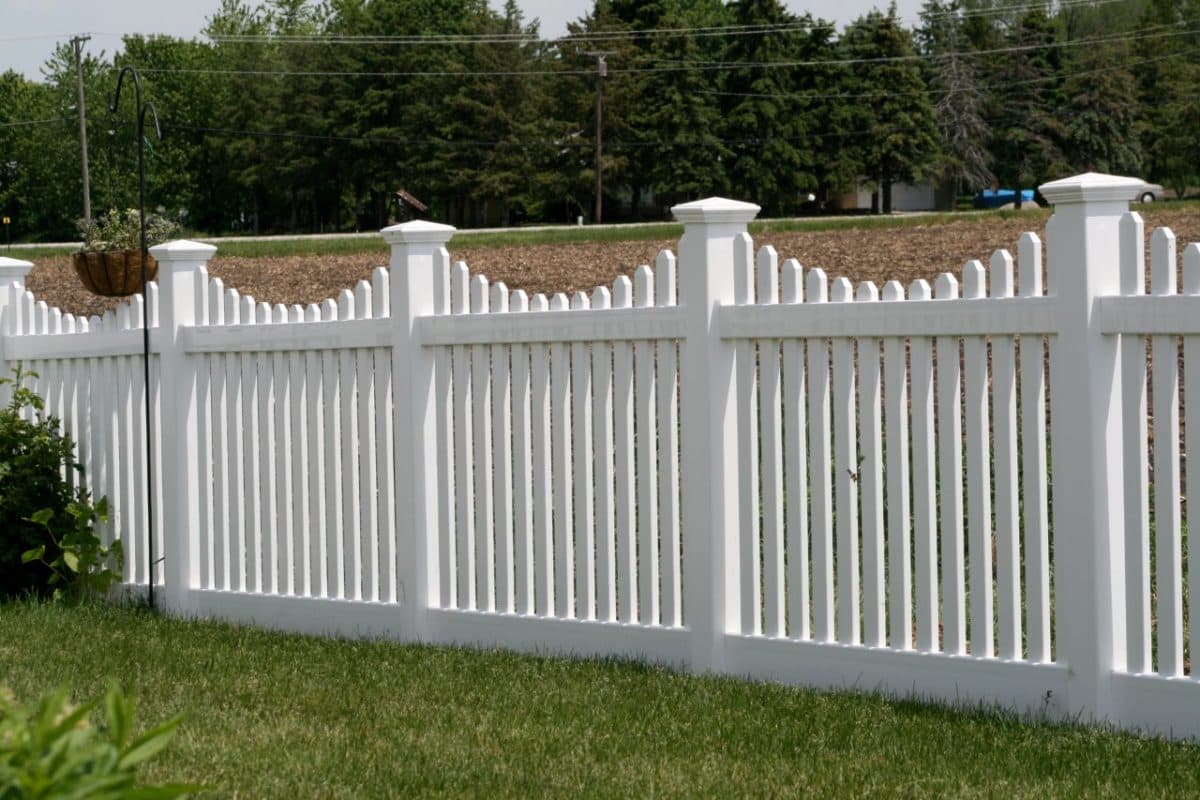
Vinyl is a strong fit when the property needs privacy and the owner wants a cleaner, lower-maintenance material.
It is often the best first option for:
- backyard privacy fencing
- side-yard separation
- fence replacement on homes where old wood has become a maintenance cycle
- owners who want the fence to stay visually consistent without regular refinishing
Vinyl is not always the most character-driven material, but it is a very practical one. It solves privacy well and tends to reduce long-term upkeep compared with wood.
When wood is usually the better choice
Wood is often the better answer when the owner wants the fence to feel warmer, more natural, or more flexible visually.
It is strong for:
- privacy runs that should feel more residential or natural
- properties where the fence should work with mature landscaping or a traditional home
- clients who want more layout flexibility
- projects where the visual character matters as much as the enclosure
Wood can be one of the best-looking fence materials on the right property, but it comes with different maintenance expectations than vinyl. That tradeoff should be part of the decision, not a surprise after install.
When wrought iron makes the most sense
Wrought iron belongs in the conversation when the fence is visible and should improve the appearance of the frontage rather than hide it.
It is strong for:
- front-yard fences
- gates and entry sequences
- pool areas that still need visibility
- properties where curb appeal and security both matter
If the buyer wants strong privacy, wrought iron is usually not the first answer. If the buyer wants security with openness and a more architectural finish, it becomes much stronger.
When chain link is the smart move
Chain link is often the best answer when the job is mainly about reliable enclosure, practical coverage, and cost-conscious durability.
It works well for:
- longer property lines
- utility and storage areas
- side and backyard enclosure
- pet-safe fencing
- commercial perimeter work
It is not usually chosen for decorative frontage, but it is one of the smartest systems when performance and efficiency matter more than presentation.
When metal fencing belongs in the mix
Metal fencing usually sits between more decorative iron work and purely utilitarian chain link.
It is useful when the owner wants:
- a stronger, sharper-looking boundary
- more security without a fully boxed-in feel
- a cleaner modern line
- a fence that can work on either a home or a business site
This is often the right route when the buyer wants strength and control, but not necessarily a more ornamental wrought iron look.
The real decision is usually not material alone
The strongest estimate conversations do not stop at the material question. They also look at:
- gate placement
- slope and grade
- transitions into walls or columns
- how the fence reads from the street
- whether the property needs one material or separate treatments in different zones
A home may need vinyl in the backyard and wrought iron in the front. A business may need metal along one boundary and chain link in a service area. The right answer is often a property strategy, not just one product choice.
How to make the choice easier
If the answer still feels unclear, focus on the buyer priorities:
- Choose vinyl when privacy and lower maintenance matter most.
- Choose wood when privacy and warmer character matter most.
- Choose wrought iron when the frontage should stay open and more refined.
- Choose chain link when enclosure, visibility, and value matter most.
- Choose metal fencing when you want stronger control and a sharper finished edge.
That is enough to get the project moving in the right direction. The estimate should handle the final narrowing from there.
A practical next step
If you already know the project is privacy-first, start with vinyl fence installation or wood fence installation.
If the frontage is the priority, move into wrought iron fence installation or metal fence installation.
If the property mainly needs enclosure and access control, chain link fence installation is usually the cleanest place to start.
And if you still are not sure which path fits the property best, contact Empire Fence and send the frontage photos, site notes, and the part of the decision that still feels unclear. That usually leads to a much better recommendation than guessing from material names alone.