
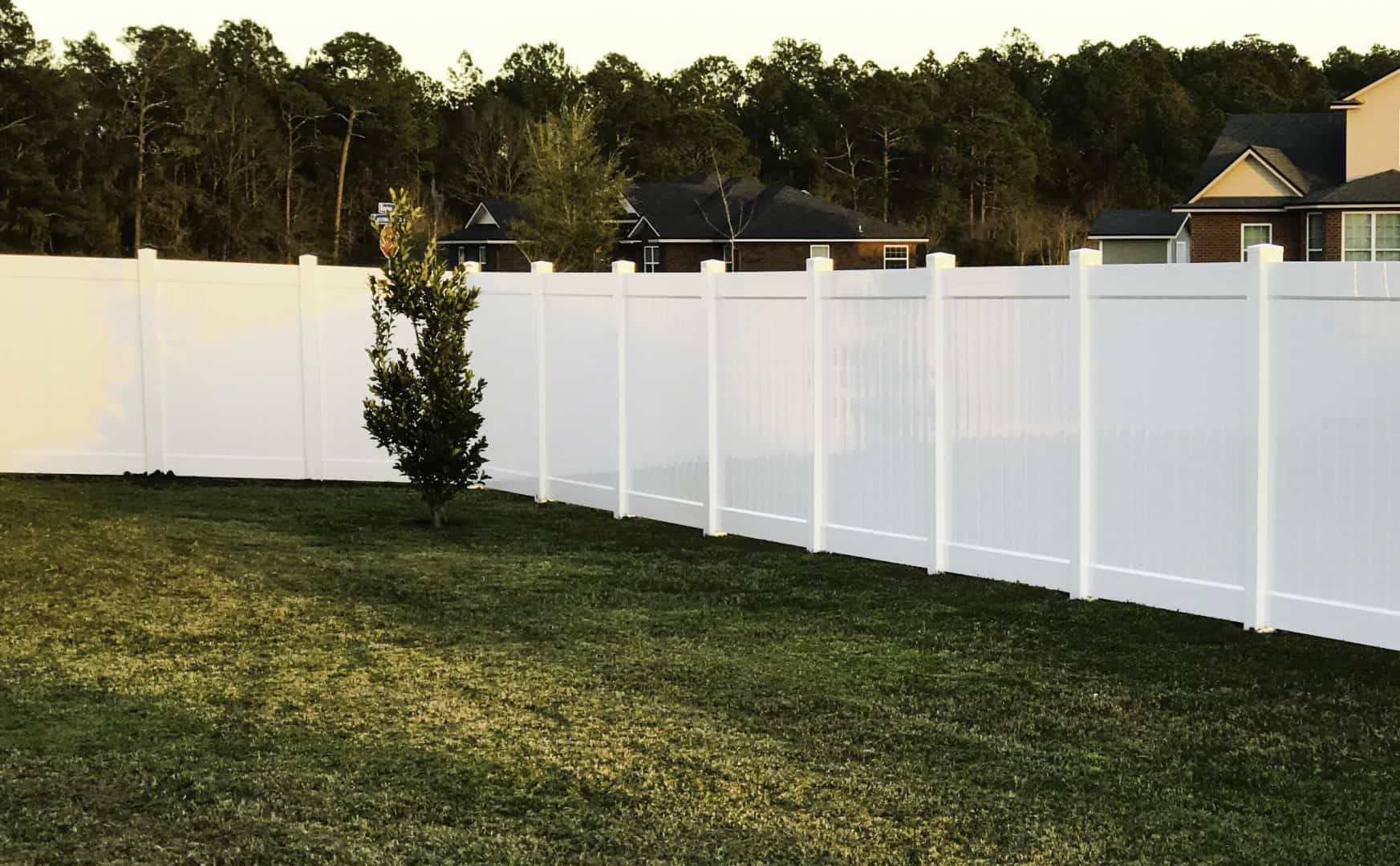
A damaged fence can leave you with one expensive question: should you fix what is there, or is it time to start over?
The answer depends on the condition of the posts, panels, gates, material, age, safety risks, and how much life the fence realistically has left. Whether you are dealing with a leaning wood fence, cracked vinyl panels, rusted chain link, storm damage, or a gate that no longer closes correctly, the goal is simple. Choose the option that protects your property, budget, privacy, and long-term curb appeal.
Quick Answer: Should You Repair or Replace Your Fence?
Repair your fence if the damage is small, isolated, and the main structure is still solid.
That usually means one damaged panel, a few broken boards, minor gate adjustment, light cosmetic wear, or one section affected by a storm or impact. If the posts are firm and the rest of the fence is stable, repair is often the smarter and more affordable choice.
Replace your fence if damage is widespread, several posts are leaning or rotted, panels are failing across multiple sections, or you keep paying for repairs every year.
Replacement is also the better choice when the fence no longer gives you privacy, security, or curb appeal. If repair costs are getting close to the cost of a new fence, replacement often saves money over time.
Fence Repair vs Fence Replacement at a Glance
| Situation | Repair Usually Makes Sense | Replacement Usually Makes Sense | |---|---|---| | Damage scope | One area or one section | Multiple sections failing | | Post condition | Posts are firm and upright | Posts are loose, leaning, or rotted | | Fence age | Fence is still fairly new | Fence is near the end of its lifespan | | Appearance | Most of the fence still looks good | New repairs would look patchy | | Safety | No major stability risk | Fence may fall, fail, or expose the property | | Gate function | Gate needs adjustment | Gate posts or frame are failing | | Budget | Small repair solves the issue | Repeated repairs are adding up | | Best next step | Repair damaged parts | Inspect and price replacement |
Why This Decision Matters More Than It Seems
A fence is not just a border around your property.
It helps protect privacy, improve security, guide foot traffic, keep pets or children inside, and improve curb appeal. When it starts to fail, delaying the right fix can create larger repair costs later.
A small repair can be a smart move when the fence is still strong. But patching a fence with weak posts, widespread rot, or repeated panel failures may only hide the bigger problem for a short time. That is when replacement becomes less of an upgrade and more of a practical investment.
When Fence Repair Is the Better Choice
Fence repair is usually the right choice when the problem is limited and the rest of the fence is still doing its job.
This is especially true when the posts are solid, the panels are mostly straight, and the issue was caused by one clear event, such as wind, a fallen branch, or accidental impact.
The Damage Is Limited to One Area
If only one section is damaged, repair is often enough.
A few cracked boards, one broken rail, a damaged panel, or a small section pushed out of alignment can usually be fixed without replacing the entire fence. This is common after a branch falls or a vehicle bumps one part of the fence.
The key question is whether the rest of the fence is still strong. If the surrounding sections are upright, secure, and not showing the same wear, a targeted repair can extend the life of the fence without unnecessary replacement.
The Fence Posts Are Still Solid
Posts are one of the biggest decision points.
If the posts are straight, firm in the ground, and not soft near the base, many panel and board problems can be repaired. A fence with strong posts still has a good structural foundation.
You can do a basic check by gently pushing near the top of the post. If it barely moves and the base looks stable, that is a good sign. If it rocks, shifts, or feels soft near the soil line, the issue may be deeper than a simple panel repair.
The Fence Is Still Fairly New
A newer fence with isolated damage is usually worth repairing.
If the fence was installed recently and the material still has years of life left, replacing the entire structure may not make sense. In that case, fixing the damaged section can protect your investment.
This is common with storm damage. A healthy fence can suffer damage in one spot without needing full replacement. The important step is checking whether the damage is truly isolated or part of a larger pattern.
The Gate Only Needs a Minor Adjustment
Not every gate problem means the fence is failing.
Sometimes a gate needs new hinges, latch adjustment, bracing, or a small alignment correction. If the gate posts are stable, this can be a simple repair.
But if the gate is sagging because the posts are leaning, rotted, or shifting, the repair may be more involved. Gate problems are worth taking seriously because they affect daily use, security, and safety. A gate that drags, swings open, or fails to latch can become more than an inconvenience.
When Fence Replacement Is the Smarter Choice
Fence replacement makes more sense when the damage is no longer isolated.
Once multiple sections are weak, posts are failing, or repairs keep returning, fixing one part at a time can become a money drain. At that point, a new fence may give you better structure, better appearance, and fewer surprise costs.
Multiple Posts Are Leaning or Rotted
If several posts are leaning, loose, or rotted at ground level, replacement should be strongly considered.
Posts support the entire fence. When they fail, panels, rails, gates, and pickets cannot stay secure for long.
Rotted posts are especially important with wood fences. The base of the post is where moisture collects, and damage there can spread slowly before the fence starts visibly leaning. By the time several posts move, the fence may already be close to structural failure.
Damage Is Spread Across Several Sections
One broken panel is usually repairable. Several broken panels across the fence line are a different problem. Widespread damage often means the fence material is aging, weathered, or weakened throughout.
This is where homeowners sometimes spend more than they planned. They repair one section, then another section fails a few months later. By the end of the year, the fence still looks uneven and the total repair cost starts moving closer to replacement.
Repairs Keep Coming Back
If you are fixing the same fence every season, replacement may be the better long-term choice.
Repeated repairs are a warning sign that the fence is no longer aging evenly or holding up structurally. You may be replacing boards, tightening rails, adjusting gates, and resetting posts without solving the real issue.
This is especially common with older wood fences. New boards beside weathered boards may not match, and repaired areas can make the fence look patchy. If appearance matters for curb appeal or resale value, replacement may create a cleaner result.
The Fence No Longer Provides Privacy or Security
A fence should still do the job it was built to do.
If gaps, leaning sections, broken boards, or missing panels reduce privacy or security, repair may not be enough. This is especially important for homes with children, pets, pools, side yards, or commercial property access.
A failing fence can also make a property feel neglected. Even when the fence has not fully collapsed, visible damage can affect curb appeal. If the fence no longer supports how you use the property, replacement may be the stronger option.
Repair Cost vs Replacement Cost: A Practical Rule
Here is a simple way to think about cost.
If the fence needs only a few small repairs and the structure is sound, repair usually makes sense. If a large share of the fence needs work, or the repair quote gets close to the replacement quote, replacement often becomes the smarter investment.
A practical rule: if repairs affect roughly one-third of the fence or repair costs approach half the cost of replacement, get both prices before deciding.
Ask for clear pricing on:
- Repairing the damaged sections
- Replacing failed posts
- Adjusting or rebuilding gates
- Removing old material
- Installing a new fence
- Matching existing materials
- Timeline and warranty
The cheapest option today is not always the lowest-cost option over the next few years.
How Fence Material Changes the Decision
Different fence materials fail in different ways. That means the repair-or-replace decision should consider what your fence is made of, how old it is, and whether matching materials are still available.
Wood Fences
Wood fences are common, attractive, and repairable. Individual boards, pickets, rails, and panels can often be replaced if the posts are still strong. This makes wood fence repair a good option when damage is isolated.
The main concern is rot. If wood posts are soft near the ground, rails are splitting, or boards are warped across several sections, replacement may be more practical. A new wood fence can also restore a cleaner, more consistent appearance.
Vinyl Fences
Vinyl fences usually require less maintenance than wood, but they can crack or break from impact.
If one panel or rail is damaged and matching parts are available, repair may be simple. If the vinyl is brittle, faded, cracked in several areas, or difficult to match, replacement may make more sense.
Vinyl fence repairs can also depend on the system. Some panels and rails are designed to fit specific posts or profiles. If replacement parts are unavailable, a full section or full fence replacement may be needed.
Chain Link Fences
Chain link fences are often repairable when the issue is limited to fabric, tension wire, rails, or one bent post.
If the fence is rusted throughout, leaning across multiple sections, or the posts have shifted, replacement may be a better long-term fix. Chain link also becomes a replacement candidate when the owner wants more privacy or a different appearance.
Switching from chain link to a privacy fence is not really a repair project — it is a full fence installation decision.
Metal or Ornamental Fences
Metal fencing can often be repaired if the damage is localized. Loose sections, minor rust, damaged hardware, or a gate issue may be fixable. But widespread corrosion, failing posts, bent sections, or unsafe movement can point toward replacement.
With metal fencing, safety and alignment matter. A section that looks slightly loose may become more serious if it affects the gate, entry point, or security of the property.
Safety, Property Line, and Gate Issues You Should Not Ignore
Some fence problems should not be guessed at.
If your fence is near a property line, pool, driveway, public walkway, pet area, or child play space, the decision matters more. A weak fence can create safety risks, access problems, neighbor disputes, or liability concerns.
You should be careful with:
- Leaning posts near walkways
- Gates that do not latch
- Broken panels around pets or children
- Fence sections near driveways
- Damage after storms
- Fences close to property boundaries
- Pool or security fencing
- Sharp, loose, or unstable materials
This is where a professional inspection is valuable. A qualified fence professional can check whether the problem is cosmetic, structural, or related to layout and installation. An experienced fence company can also help separate a small repair from a full replacement need.
Simple DIY Checks Before You Call a Fence Professional
Before you request a quote, walk the full fence line.
Do not only inspect the section that looks damaged. Many fence problems start in one area but show up elsewhere as loose posts, sagging rails, or weak gate alignment.
Use this simple checklist:
- Look for leaning across the full fence line
- Check whether posts move when gently pushed
- Look for rot, rust, cracks, or soft spots
- Inspect rails where they connect to posts
- Check panels for warping or separation
- Open and close each gate
- Look for gaps under or between panels
- Photograph storm or impact damage
- Note areas where privacy or security is reduced
Do not dig around posts, move boundary lines, or attempt structural changes if you are unsure. DIY checks are useful for understanding the problem. Professional guidance is still the safer choice when the fence is unstable, close to a property line, or connected to a gate or security need.
When to Get a Professional Fence Inspection
Get a professional inspection when the damage affects structure, safety, gates, property lines, or multiple sections.
A professional inspection is especially useful when:
- More than one section is leaning
- Several posts move or feel loose
- Wood is rotted near the base
- A gate will not close or latch
- Panels are damaged across multiple areas
- You are comparing repair and replacement costs
- You want to change materials
- The fence affects privacy, pets, children, or security
- Storm damage may involve insurance documentation
The goal is not to push you into replacement. The goal is to understand whether repair will actually solve the problem. If repair is the right choice, targeted fence repair services can extend the life of your fence without replacing more than necessary.
FAQs About Fence Repair vs Fence Replacement
Is it cheaper to repair or replace a fence?
Repair is usually cheaper when the damage is small and the fence structure is still sound. Replacement can be more cost-effective when the fence has widespread damage, failing posts, repeated repair needs, or major age-related wear. The best approach is to compare the repair quote with the replacement quote before deciding.
When should a fence be replaced instead of repaired?
Replace the fence when several posts are rotted or leaning, multiple panels are failing, the fence no longer provides privacy or security, or the cost of repair is getting too close to replacement. Replacement is also smart when the fence is old and repairs are becoming frequent.
Can I replace only one section of my fence?
Yes, one section can often be replaced if the rest of the fence is stable. This works best when the posts around that section are strong and matching materials are available. If the new section will not match or the surrounding fence is also weak, full replacement may look and perform better.
How do I know if my fence posts are bad?
A bad fence post may lean, move when pushed, feel soft near the ground, separate from the concrete footing, or cause nearby panels to sag. Wood posts often fail at ground level first because that area holds moisture. If several posts show these signs, replacement may be safer than repeated repairs.
Should I repair my fence before selling my home?
In many cases, yes. A damaged fence can hurt curb appeal and make buyers question how well the property has been maintained. If the damage is minor, repair may be enough. If the fence is visibly failing, replacement may create a stronger impression and remove an obvious objection during the sale.
Do I need a professional to decide?
You can identify simple visible problems yourself, such as broken boards or one damaged panel. You should involve a professional when posts are leaning, gates are failing, damage is widespread, the fence is near a property line, or you are unsure whether repair will last. A proper inspection can help you avoid paying for a repair that does not solve the real issue.
Final Thoughts: Choose the Option That Protects Your Property Long-Term
The best choice is not always the cheapest choice today.
Fence repair makes sense when the damage is isolated, the posts are solid, and the fence still has useful life left. Fence replacement makes sense when damage is widespread, posts are failing, repairs keep returning, or the fence no longer protects privacy, safety, and curb appeal.
Walk the full fence line, check the posts, look at the gates, and compare repair cost with replacement cost.
When the decision is not obvious, get a professional inspection before spending money. A clear evaluation can help you repair confidently, replace wisely, and avoid turning a small fence problem into a larger property expense.
Ready to get a straight answer? Contact Empire Fence with photos and property details and we will help you decide the right path forward.