
A better fence estimate starts with better context.
That does not mean the owner needs survey-grade measurements, a complete product specification, or every answer already decided. It means the first conversation should start with enough site information that the contractor can narrow the real scope instead of pricing a vague guess.
Most weak estimates happen because too much is missing. The material is unclear. The property photos do not show the full line. No one mentions the gate until later. A damaged section turns out to need full replacement. The result is not just a slower quote. It is a less useful one.
What to gather before the estimate
The strongest estimate requests usually include:
- the property address or at least the city
- photos of the current fence line or the area where the new fence will go
- approximate footage if known
- the material direction, if you already have one
- notes on gates, driveway access, pets, slope, or damaged sections
That is enough to make the conversation much better without overcomplicating it.
Photos matter more than most people expect
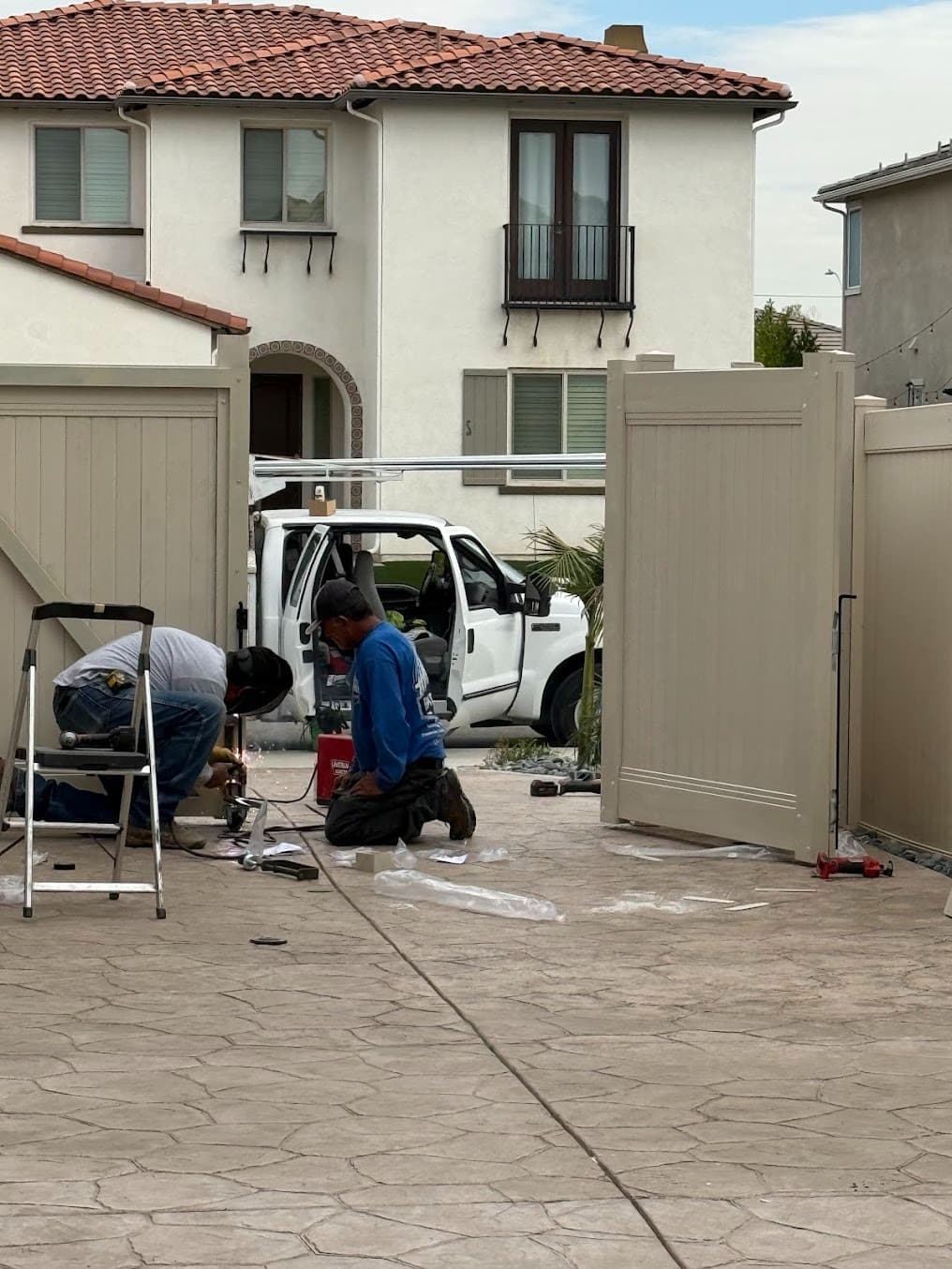
Fence projects are visual and situational. A line item alone does not explain the job.
Good photos should show:
- the full run, not just one close-up
- gate areas
- corners and transitions
- grade change if the site is uneven
- any old fence that needs to be removed or tied into new work
If the project is a repair, show both the damage and the surrounding fence. A broken panel means one thing if the rest of the run is solid, and something else if the whole fence is already failing.
What if you do not know the material yet?
That is normal. A good estimate should help narrow the material choice, not require you to arrive with it fully decided.
If you are still deciding, just explain the priority:
- privacy
- lower maintenance
- curb appeal
- security
- replacement of old fencing
That is usually enough to start the recommendation process.
The gate question should come up early
Many fence estimates go sideways because the owner focuses on the fence line and forgets the access points until later.
Gates affect layout, budget, and everyday use. The estimate should clarify:
- where the gates need to go
- whether they are pedestrian or vehicle gates
- how often they are used
- whether the existing access pattern works well now
This is especially important on side yards, driveways, and any property where daily circulation shapes how the fence should actually function.
For repair estimates, show the real condition
Repair projects need a different kind of clarity.
Do not only show the broken board or the bent panel. Show:
- the full damaged section
- the nearby posts
- the gate if it is affected
- the rest of the run that may still be usable
That is what helps determine whether the job should be repaired, partially rebuilt, or fully replaced.
Measurements help, but they do not need to be perfect
Rough footage is useful. Perfect footage is not required for the first conversation.
If you know the approximate run, share it. If not, send the photos and explain the area. The goal of the first estimate is not perfect final takeoff. The goal is to narrow the likely scope and make the next step more accurate.
The estimate should also cover the surrounding scope
Some of the best project conversations happen when the owner mentions the adjacent work early.
That might include:
- railings
- patio enclosure work
- gates
- wall transitions
- multiple material zones on the same property
When that is known up front, the estimate can recommend a cleaner overall plan instead of pricing one piece in isolation and discovering the rest later.
What a better estimate actually gives you
A better estimate should not just provide a number. It should help answer:
- what service path makes the most sense
- whether the job is repair or replacement
- what material belongs on the property
- whether gates or adjacent scope should be bundled now
- what information still needs to be confirmed before install
That is what makes it useful.
The short version
If you want a better fence estimate, send:
- the address or city
- full-run photos
- rough footage if available
- notes on gates or damage
- the part of the project that still feels uncertain
That is usually enough to move the quote from vague to practical and from generic to much more accurate.
Where to go next
If the project is mostly about replacing an older privacy fence, it helps to compare vinyl fence installation and wood fence installation before the estimate.
If the site is damaged and you are not sure whether the next move is repair or replacement, start with fence repairs and include photos of the surrounding run, not just the broken section.
Then contact Empire Fence to send the address, photos, and any rough footage. That is still the fastest way to turn a generic quote request into a much more useful project conversation.