
Vinyl versus wood is one of the most common fence decisions because both materials solve the same core problem: privacy.
The reason the choice feels difficult is that the real tradeoff is not privacy. It is maintenance, appearance, and long-term ownership.
Most buyers are not actually asking “Which one is better?” They are asking which one will feel right on their property after the install is done and after a few years of use.
Start with the real decision, not the material names
The better comparison is not wood versus vinyl in the abstract. It is:
- low maintenance versus natural character
- visual consistency versus a warmer look
- long-run upkeep versus initial material feel
- uniform finish versus more traditional appearance
That is why vinyl fence installation and wood fence installation can both be right answers depending on the property.
Choose vinyl when maintenance is the bigger issue
Vinyl is usually the better fit when the owner wants:
- a cleaner low-upkeep fence
- more visual consistency across a long run
- fewer future repair cycles
- strong privacy without repainting or refinishing
It is especially useful on family homes, rental properties, and replacement projects where the old wood fence has become a repeating maintenance problem.
Vinyl also tends to fit better when the owner wants the fence to stay visually even across long side-yard and backyard runs.
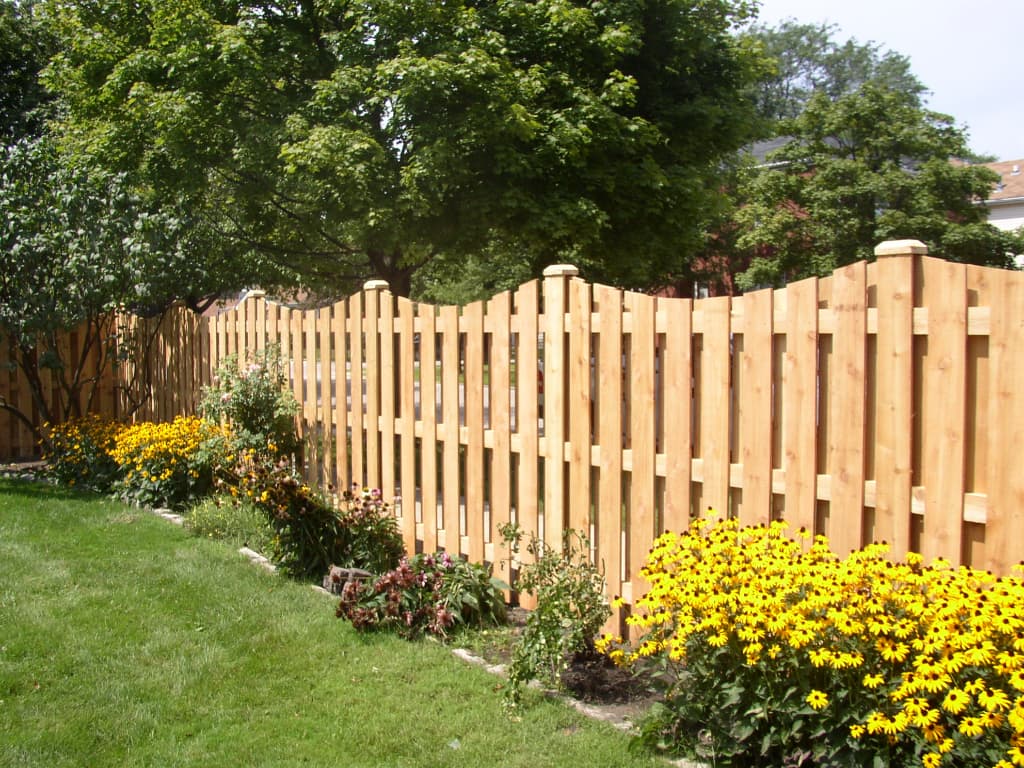
Choose wood when character matters more
Wood is usually the stronger choice when the owner wants:
- a warmer, more natural appearance
- more flexibility in the visual layout
- a fence that feels more residential and less uniform
- stronger design control around the character of the home
Wood can be a better visual match on certain properties, especially when the exterior would look too rigid with a more manufactured privacy system.
It is often the stronger call when the owner values the feel of the material itself as much as the privacy it provides.
Think about visibility, not just privacy
A lot of buyers compare vinyl and wood only at the back property line. But fence visibility changes the decision.
Ask:
- will the fence be seen from the street?
- is the run mostly backyard or also side-yard and frontage?
- should the fence blend quietly or make more of a design statement?
Highly visible runs put more pressure on finish, texture, and the way the material complements the house.
Think about upkeep honestly
This is where many decisions go wrong.
Wood may cost less up front in some situations, but that does not mean it costs less over time. If the owner dislikes repainting, restaining, board replacement, and the uneven aging that comes with exposure, wood can become frustrating even when the initial install looked right.
Vinyl reduces a lot of that maintenance pressure. That does not make it “better” in every case, but it does make it more practical for many owners.
Think about repair patterns too
Another useful question is how the fence will be maintained if something goes wrong later.
On some properties, a wood repair can feel more natural because the system already has variation in tone and texture. On other properties, wood becomes a cycle of patching and refinishing that never really ends.
Vinyl often feels cleaner in the long run when the goal is to avoid that cycle, though matching damaged sections still depends on the exact system and age of the fence.
What homeowners often miss
Many people compare the materials too narrowly.
The better question is not "Which one is better?" It is:
- Which one fits the house?
- Which one fits the budget after future upkeep is considered?
- Which one makes sense for how visible the fence will be?
- Which one gives the right tradeoff between maintenance and appearance?
That is the difference between a smart fence decision and a purchase that feels wrong two years later.
The best way to decide
If the owner wants lower maintenance and clean privacy, start with vinyl.
If the owner wants stronger natural character and more layout flexibility, start with wood.
Then let the estimate refine the final answer based on the property, gate layout, total scope, and how the fence will actually be used.