
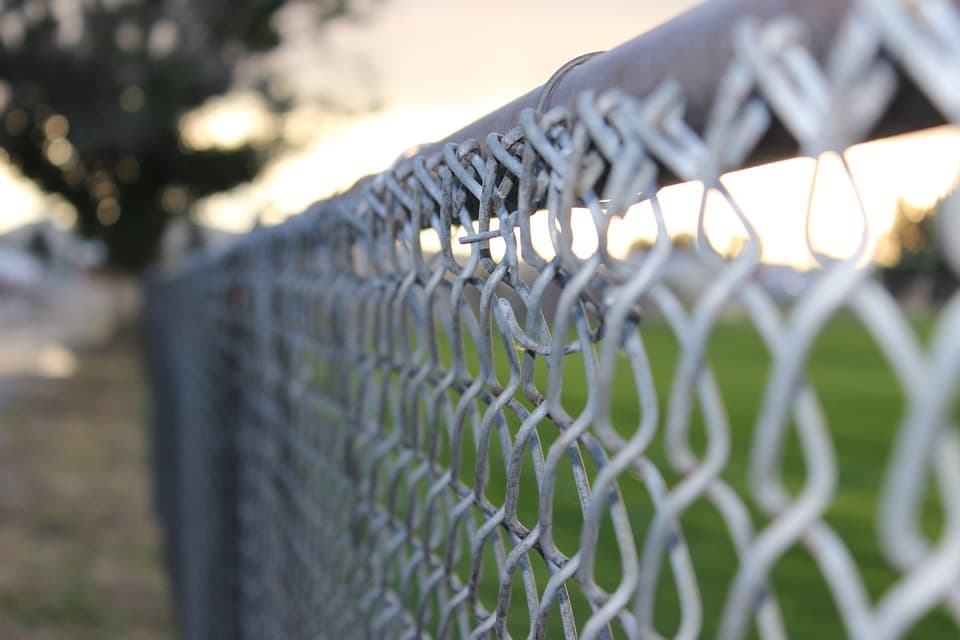
Need to secure a yard, define a property line, keep pets contained, or protect a larger commercial perimeter without overspending? Chain link fencing deserves a serious look.
The biggest benefits of chain link fence systems are affordability, durability, low maintenance, visibility, and practical coverage over larger areas. But chain link is not right for every property. If privacy or decorative curb appeal is your first priority, another material may serve you better.
The key is choosing the fence based on what you actually need it to do.
Project-Guided by Empire Fence
Practical fencing guidance backed by decades of hands-on experience helping residential and commercial property owners plan fence lines, gates, repairs, and installations. The goal is to identify project risks early, avoid costly mistakes, and choose a fence that fits the way the property is actually used.
Quick Answer: Does Your Property Need a Chain Link Fence?
A chain link fence is a strong choice when you need an affordable, durable, low-maintenance boundary that provides visibility and dependable containment.
It works especially well for backyards, pets, long property lines, utility areas, storage yards, and commercial perimeters.
It may not be your best choice if you need full privacy, a highly decorative front fence, or a barrier specifically designed to be difficult to climb.
At a Glance
| Factor | How Chain Link Performs | | --- | --- | | Upfront value | Excellent | | Durability | Excellent | | Maintenance | Low | | Visibility | Excellent | | Pet containment | Very good | | Large perimeter coverage | Excellent | | Privacy | Limited without screening | | Decorative curb appeal | Moderate to limited | | Residential use | Very good for the right application | | Commercial use | Excellent |
The simple rule is this: chain link performs best when function matters more than complete privacy or a decorative appearance.
What Is a Chain Link Fence?
A chain link fence uses woven steel wire supported by metal posts and rails. The familiar diamond-shaped mesh creates a physical boundary while keeping the area on either side visible.
Most systems use galvanized steel to help resist corrosion. Coated options are also available when the property owner wants additional protection or a softer appearance.
Different heights, wire gauges, gates, coatings, and privacy additions can change how the fence performs.
That flexibility is one reason chain link can work for everything from a small backyard to a large commercial perimeter.
What Are the Main Benefits of a Chain Link Fence?
1. Chain Link Is One of the Most Affordable Fence Options
Cost is often the first reason property owners consider chain link.
It typically requires less material than many solid fence systems and can be practical when you need to cover a long boundary.
That matters on:
- larger residential lots;
- back and side property lines;
- rental properties;
- storage areas;
- commercial sites;
- utility spaces.
The savings become especially important as the total fence length increases.
That does not mean you should simply choose the cheapest material available. Fence height, wire gauge, gates, coating, terrain, removal of an existing fence, and site access can all affect the final project.
Still, when the job is mainly about creating a dependable boundary without paying for a decorative or solid privacy system, chain link offers strong value.
2. It Provides Long-Lasting Durability
A fence lives outside every day.
Sun, rain, wind, irrigation, pets, landscaping equipment, and normal property use can all take a toll.
Chain link handles those conditions well because the main structure is steel rather than wood or another material that may rot, warp, or require regular refinishing.
Galvanized and coated systems also provide added protection against corrosion.
The open mesh has another practical advantage: air passes through the fence instead of pushing against a solid panel.
Durability still depends on proper materials and installation. Loose posts, poor tension, damaged fittings, or badly planned gates can shorten the useful life of an otherwise strong fence.
3. Maintenance Is Simple
Some fences look great but demand regular attention.
Chain link is different.
There is normally no need for routine staining, sealing, or painting of a standard galvanized system. Basic maintenance usually means keeping the fence clean, checking for damaged mesh or fittings, watching for corrosion, and making sure gates continue to open and latch correctly.
That makes chain link appealing for busy homeowners, landlords, property managers, and commercial operators who want the fence to do its job without becoming another major maintenance project.
Small problems should still be handled early.
A loose tie, leaning post, bent section, or dragging gate is much easier to address before it puts stress on the rest of the fence.
4. You Keep Clear Visibility Across the Property
Chain link creates separation without creating a solid visual wall.
That can be useful when you want to:
- watch children playing outside;
- keep an eye on pets;
- preserve an open view;
- monitor a commercial perimeter;
- see vehicles or people approaching an access point;
- define a boundary without making the area feel closed in.
This visibility is both a benefit and a tradeoff.
You can see through the fence, but neighbors and people outside the property can usually see through it as well.
If you want some screening without replacing the entire fence type, privacy slats may be an option. If complete privacy is the main goal, however, a solid fence often makes more sense from the beginning.
5. It Works Well for Pets and Property Boundaries
A good fence does more than mark where your land ends.
It changes how the outdoor space can be used.
Chain link is particularly useful for pet owners because it creates a clear enclosure while allowing dogs to see beyond the yard.
It can also separate side yards, gardens, utility areas, equipment spaces, parking areas, and long lot lines.
The correct height and mesh should be chosen for the actual situation. A small dog, a large athletic dog, and a simple property-line fence may each call for a different setup.
Gate placement matters too.
A fence can be strong and still become frustrating if the everyday walking path, driveway, trash area, or service access was not considered before installation.
6. Installation Can Be Efficient
Chain link is well suited to projects where property owners want a functional boundary without an overly complicated fence system.
Once the layout, posts, gates, height, and material are properly planned, installation can move efficiently across long runs.
That can be valuable when you need to secure a yard, prepare a property for a pet, separate a work area, or close an exposed commercial perimeter.
Efficient does not mean careless.
Posts still need proper placement and support. The mesh needs correct tension. Corners and terminal points must be secure. Gates need enough clearance and should match the way people or vehicles actually move through the site.
Good planning is what makes a straightforward fence stay straightforward.
7. Chain Link Is Flexible and Customizable
The standard silver fence is only one version of chain link.
Depending on the project, you may be able to adjust:
- fence height;
- wire gauge;
- mesh size;
- coating or finish;
- gate width;
- pedestrian access;
- driveway access;
- privacy slats;
- layout around slopes or changing grades.
That gives property owners room to match the system to the job instead of treating every chain link fence as identical.
For residential areas where appearance matters, a darker coated finish can also blend into landscaping more easily than traditional galvanized fencing.
Where Does Chain Link Fencing Work Best?
Chain link is most useful when there is a clear practical reason for the fence.
Residential Properties
For a home, it often makes sense for:
- backyard enclosure;
- dog runs and pet areas;
- side-yard boundaries;
- gardens;
- long rear property lines;
- utility areas;
- portions of the property that do not require full privacy.
It can also be useful when homeowners want to maintain an open feeling rather than closing the yard with solid panels.
If you are considering fence installation in Ontario, CA, the decision should also account for the property layout, gate locations, neighborhood requirements, property lines, and current city rules before work begins.
Commercial and Utility Properties
Chain link becomes even more practical on many commercial properties.
Common applications include:
- storage yards;
- equipment areas;
- parking areas;
- service yards;
- warehouses;
- larger perimeter runs;
- restricted work areas;
- vehicle and pedestrian access points.
Commercial fencing often needs to balance security with visibility and daily traffic.
That makes gate planning especially important. The fence line itself may be simple, but poorly located openings can create problems for deliveries, employees, customers, vehicles, or equipment.
When Might a Chain Link Fence Not Be the Best Choice?
The benefits of chain link fence systems are strong, but no fence solves every problem.
There are situations where another material may make more sense.
When Privacy Comes First
Standard chain link does not block sightlines.
Privacy slats and screening can reduce visibility, but they change the appearance and cost of the fence.
If the main reason for installing a fence is to create a private backyard, hide a pool or entertaining area, or completely screen neighboring properties, compare solid fencing options before committing.
Trying to turn a basic open fence into a full privacy fence after installation may not give you the result you originally wanted.
When Decorative Curb Appeal Is the Main Goal
Chain link is designed around practical performance.
Even coated systems usually have a more functional appearance than decorative metal, wood, or certain vinyl fence styles.
That may be perfectly fine along a rear boundary while being less desirable across the front of a home where the fence becomes part of the property's first impression.
Think about where the fence will be seen, not simply what material is cheapest.
Some properties even benefit from combining materials—using a more decorative fence on visible frontage and chain link where practical perimeter coverage matters more.
When You Need Higher-Level Anti-Climb Security
Chain link creates a clear physical boundary and can discourage casual access, but standard diamond mesh can also provide handholds and footholds.
That means a basic residential chain link fence should not automatically be treated as a high-security barrier.
Commercial and higher-security projects may require different heights, heavier materials, controlled gates, specialized mesh, or other security measures.
The right system depends on what you are protecting and the level of access control you actually need.
How Do You Know if Your Property Needs a Chain Link Fence?
Ask yourself these seven questions:
- Is keeping the project cost under control important?
- Do I need to cover a long property line or large area?
- Do I want a fence that requires little routine maintenance?
- Do I want to preserve visibility through the boundary?
- Do I need to contain pets or clearly separate outdoor areas?
- Is function more important than full privacy?
- Would a simple, durable fence fit the way this part of my property is used?
If you answered yes to most of those questions, chain link deserves serious consideration.
If privacy and decorative appearance dominate your answers, compare other fence materials before making the final decision.
What Should You Check Before Installation?
Choosing the material is only part of planning a fence.
Before installation, confirm:
- the intended property line;
- total fence length;
- required fence height;
- gate locations;
- gate widths;
- pedestrian and vehicle movement;
- slopes or uneven ground;
- desired coating or finish;
- pet requirements;
- privacy expectations;
- existing fence removal;
- utility and access concerns;
- HOA or community restrictions;
- current local permit and fence requirements.
This planning stage is where expensive mistakes are easiest to prevent.
A professional chain link fence installation should be planned around how the property works every day—not simply around the shortest route between two points.
A gate in the wrong place can be irritating for years. An incorrect property line can create a much larger problem. Posts, corners, slopes, and driveway openings also deserve attention before installation begins.
Frequently Asked Questions About Chain Link Fencing
Is a chain link fence worth installing?
Yes, when your main priorities are affordability, durability, low maintenance, visibility, containment, or covering a larger perimeter.
It provides especially good value when you need a practical boundary rather than complete privacy or a decorative feature.
Does chain link provide privacy?
A standard chain link fence provides very little privacy because of its open mesh.
Privacy slats or screening can reduce visibility, but property owners who require complete visual separation should compare solid fencing options as well.
Is chain link good for dogs?
It can be an excellent choice for pet containment.
The correct height, mesh, gate design, and layout should match your dog's size and behavior. Dogs that jump, climb, dig, or push against fences may need additional planning.
Does chain link require much maintenance?
Usually not.
Routine care mainly involves occasional cleaning, checking for corrosion or damage, making sure the mesh remains secure, and maintaining gate hinges and latches.
Addressing small problems early can prevent more expensive repairs later.
Can chain link be used on commercial property?
Yes.
Commercial properties commonly use chain link for perimeter control, equipment areas, storage yards, parking areas, utility spaces, and controlled access points.
Commercial projects may require heavier materials, taller fencing, larger gates, or additional security planning depending on the property.
Should chain link fencing be professionally installed?
Small and simple projects may look straightforward, but installation becomes more difficult when the project includes long runs, slopes, property-line concerns, multiple gates, driveways, heavy use, or commercial security requirements.
Professional help is especially worthwhile when a mistake could affect stability, access, safety, or the legal placement of the fence.
Get Practical Guidance for Your Fence Project
Chain link works best when you use it for the job it was designed to do.
If you need affordable perimeter coverage, dependable containment, visibility, low maintenance, and long-term everyday use, it can be one of the most practical fencing choices available.
If you need full privacy or a highly decorative front boundary, compare other materials before committing.
Empire Fence can review your property, fence line, access points, gates, material options, and intended use before recommending the right approach.
The goal is not simply to put up a fence. It is to install the fence that makes the property safer, easier to use, and better suited to what you need from it every day.
Before installation, verify current property-line, permit, HOA, and local fence requirements that apply to your project.