
If you are comparing chain link fence vs wood fence, the real question is not which material is “better” in every situation. It is which fence solves the problem your current chain link fence no longer solves.
Chain link is practical. It can cover a long boundary, contain pets, preserve visibility, and keep maintenance low. But many owners eventually want more privacy, a cleaner residential look, a different gate layout, or a fence that feels more connected to the home and yard.
In those cases, three replacement options deserve the closest look: wood, vinyl, and aluminum. Each improves something chain link does not, but each comes with a different tradeoff.
Project-guided by Empire Fence
Practical fencing guidance shaped by 40+ years of combined field experience across residential and commercial fence, gate, and perimeter work in the Inland Empire. Empire Fence Inc. operates under Contractor’s License #1122042 and helps property owners compare privacy, access, material, repair, and installation needs before committing to a full replacement.
Quick Answer: What Are the Best Replacements for a Chain Link Fence?
Choose a wood privacy fence when privacy, natural character, and custom design matter most. Choose vinyl when you want solid privacy with less routine maintenance. Choose aluminum when you want a more finished look, open sightlines, and a durable boundary without turning the yard into a solid wall.
If low cost, large-area coverage, or visibility still matter more than privacy, replacing damaged chain link with new chain link may still be the smarter move.
3 Fence Replacement Options at a Glance
| Fence option | Best for | Privacy | Maintenance | Main tradeoff | | --- | --- | --- | --- | --- | | Wood privacy fence | Privacy, warmth, custom style | High with solid boards | Moderate to high | Needs periodic care | | Vinyl fence | Low-maintenance privacy | High with solid panels | Low | Higher upfront investment and less finish flexibility | | Aluminum fence | Open views, curb appeal, defined security | Low | Low | Does not naturally block sightlines |
This table is a starting point. Fence height, post design, gate layout, slope, wind exposure, property use, and installation quality can change how well any material performs.
Why Replace a Chain Link Fence?
Most chain link replacements start with one of four problems: not enough privacy, an outdated or overly utilitarian appearance, repeated damage, or a property layout that has changed.
Privacy is the biggest difference. Standard chain link leaves open sightlines. Privacy slats or screens can reduce visibility, but they do not turn the fence into the same kind of solid backyard barrier you get from wood or vinyl.
Appearance matters too. A front yard, patio, pool area, or finished backyard may call for a material that looks more intentional from the house and the street. That is where wood, vinyl, and aluminum can make a major visual difference.
Replacement can also make sense when the fence line no longer works. Maybe the gate is too narrow, the yard needs more secure pet containment, the fence sits in the wrong place for a new patio, or multiple posts are starting to lean.
Still, do not remove a functional fence only because it is chain link. If the posts are sound and your main issue is one torn section, a bent rail, or a gate adjustment, repair may be the better use of your money.
1. Wood Privacy Fence: Best for Privacy and Custom Style
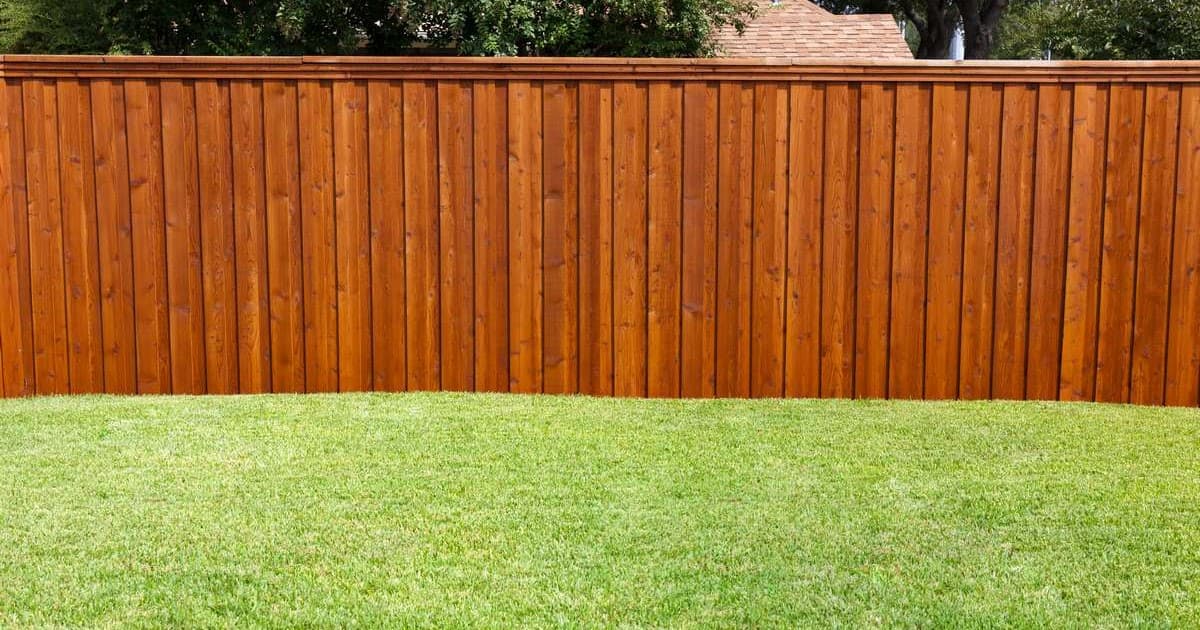
Wood is the most natural step up when the main complaint about chain link is visibility. A solid wood fence can block direct sightlines, create a more private backyard, and give the property a warmer look.
It is also flexible. Depending on the project, wood can be built as solid privacy, board-on-board, shadowbox, horizontal, picket, or another custom layout. That gives you more control over how open or closed the fence feels.
When wood is the better choice
- You want strong backyard privacy.
- You prefer a natural material and warmer curb appeal.
- You want more flexibility in height, spacing, stain, paint, or panel style.
- You may want individual boards or sections to be easier to repair later.
- You do not mind periodic cleaning, sealing, staining, or board replacement.
What to plan for before choosing wood
Wood needs more attention than chain link, vinyl, or aluminum. Sun, moisture, soil contact, insects, sprinklers, and drainage can all affect boards, rails, and posts over time.
The post system matters just as much as the visible boards. A straight, attractive wood fence can still become a problem if posts are undersized, poorly set, or placed where drainage keeps the base wet.
If your goal is “install it and mostly forget it,” wood may not be the best fit. If privacy and custom appearance matter more than low maintenance, it is often one of the strongest replacements for chain link.
2. Vinyl Fence: Best for Low-Maintenance Privacy
Vinyl solves the same core privacy problem as a solid wood fence, but with a different ownership experience. It does not need a regular paint or stain schedule, and routine cleaning is usually much simpler.
A solid vinyl panel can create a clean visual screen around a backyard, side yard, patio, or pool area. For owners who want privacy but do not want to keep refinishing wood, that is the main attraction.
When vinyl is the better choice
- You want strong privacy with lower routine maintenance.
- You prefer a clean, consistent appearance.
- You do not want to stain or paint the fence every few years.
- You want a material that does not rot like wood.
- You are comfortable paying more upfront for less recurring finish work.
What to plan for before choosing vinyl
Vinyl still depends on accurate installation. Post alignment, footing support, slope, gate clearance, and panel spacing affect how the finished fence looks and works.
Solid panels also catch more wind than open chain link. On an exposed property, the post and footing plan needs to match the site rather than relying on a one-size-fits-all layout.
Vinyl is a strong fit when privacy and low maintenance are the top two goals. It is less attractive when you want the natural texture of wood or an open view through the boundary.
3. Aluminum Fence: Best for Open Views and Curb Appeal
Aluminum is the best match when you like the openness of chain link but want a more finished, decorative look. The picket-style design defines the boundary while keeping light and sightlines open.
That makes aluminum useful around front yards, landscaped areas, pools, and properties where the view is worth keeping. It also offers a cleaner architectural appearance than standard chain link.
When aluminum is the better choice
- You want a defined boundary without a solid privacy wall.
- You care about curb appeal and a more polished frontage.
- You want low routine maintenance.
- You want a material that naturally resists rust.
- You need security and access control while keeping visibility.
What to plan for before choosing aluminum
Aluminum is not a privacy fence. If the main reason you are removing chain link is that neighbors can see into the yard, aluminum will not solve that problem by itself.
Spacing, height, gate hardware, grade changes, and the way children or pets use the property should also be reviewed before the style is chosen.
Choose aluminum when open visibility is a benefit, not a problem.
Chain Link Fence vs Wood Fence: How to Choose
The easiest way to choose a replacement is to stop asking which material is the most popular and start asking what the fence must do every day.
Choose by privacy
If full visual privacy is the first priority, start with solid wood or vinyl. Aluminum and standard chain link preserve sightlines, so they solve a different problem.
Choose by maintenance
If you enjoy the look of natural wood and are willing to maintain it, wood gives you more finish flexibility. If you want less recurring surface work, vinyl or aluminum deserves a closer look.
Choose by budget and long-term value
Do not compare only the installation price. Ask what the fence may need over the years: cleaning, staining, sealing, board replacement, rust treatment, gate adjustments, or panel repairs.
Chain link often remains hard to beat for economical coverage. Wood can justify its higher upkeep when privacy and appearance are more important. Vinyl can justify a higher upfront cost when reducing routine maintenance is the goal.
Choose by security, pets, and gates
A fence is only one part of the enclosure. Gate width, latch position, ground clearance, gaps, slope, and post strength can matter as much as the panel material.
For pets, look at the full perimeter. A solid wood or vinyl fence may reduce visual distractions, while chain link or aluminum can keep the yard more open. The right answer depends on the animal and the site.
Choose by curb appeal
For a finished residential frontage, wood and aluminum usually create a more intentional architectural look than standard galvanized chain link. Vinyl can also look clean and consistent when the home suits the style.
The best-looking fence is the one that fits the house, landscaping, gate design, and neighboring property lines rather than competing with them.
Before You Remove Your Existing Chain Link Fence
Check whether repair is still worth considering
Walk the entire fence line before deciding. Check whether the posts are plumb and firm, whether the top rail is bent, whether the mesh is torn or sagging, and whether the gate problem is coming from the gate itself or the post supporting it.
A damaged section does not automatically mean the whole system is finished. On the other hand, several leaning posts, repeated gate problems, widespread corrosion, or a layout that no longer works can make replacement more sensible.
Confirm the property line, gates, and local rules
Before demolition, verify where the new fence should sit. An old fence line is not automatically proof of the legal property boundary. Also decide where pedestrian and driveway gates need to go before the new posts are set.
For fence installation in Ontario, CA, it is especially important to confirm current permit and height rules before ordering material. The City of Ontario currently states that a building permit is required for chain link, wood, and open or screened wrought-iron fences and gates over 3 feet high, while allowable height can depend on where the fence sits on the lot.
Rules can differ by city, HOA, fence type, and property location. Confirm the current requirements for the specific site rather than assuming the old fence can simply be copied.
When Replacing Chain Link With New Chain Link Still Makes Sense
A replacement article should not pretend chain link is the wrong choice for everyone. In many properties, it is still one of the most practical fence systems available.
New chain link fence installation can make more sense than switching materials when you need to cover a large boundary, keep visibility through the fence, contain pets, protect a utility or service area, or control costs without adding a solid visual wall.
It can also be the better choice when the old fence failed because of damaged posts, poor gate placement, or impact—not because chain link was the wrong material.
The goal is not to replace chain link at any cost. The goal is to choose the material and layout that fit the property now.
Frequently Asked Questions
What is the best replacement for a chain link fence?
For privacy, start with wood or vinyl. Choose wood for natural character and custom design. Choose vinyl for solid privacy with less routine maintenance. Choose aluminum when you want open views, low upkeep, and stronger curb appeal rather than privacy.
Is a wood fence better than a chain link fence?
Wood is better when privacy, appearance, and design flexibility matter most. Chain link is usually better when low cost, visibility, large-area coverage, and low maintenance matter more. Neither material is automatically better for every property.
Is vinyl better than wood for replacing chain link?
Vinyl is usually the better fit for an owner who wants privacy without regular staining or painting. Wood is the better fit when natural appearance, custom styles, and repairable individual boards matter more than low maintenance.
Can existing chain link fence posts be reused?
Sometimes, but do not assume they can be reused safely. The posts must be in good condition, properly spaced, correctly aligned, and suitable for the load of the new fence system. A heavier or solid-panel fence can place very different demands on posts and footings.
Do I need a permit to replace a fence?
It depends on the city, fence type, height, and location on the lot. Ontario, California, for example, has permit rules that apply to several fence types over 3 feet. Check the current local requirements and any HOA rules before demolition or material ordering.
Final Thoughts: Choose the Fence That Solves the Real Problem
If your chain link fence is no longer giving you the privacy, appearance, access, or layout you need, wood, vinyl, and aluminum are the three replacement options worth comparing first.
Choose wood for privacy and custom character. Choose vinyl for low-maintenance privacy. Choose aluminum for open views and a cleaner decorative boundary. And if practical coverage, visibility, and cost still matter most, do not rule out a properly planned chain link replacement.
Before you commit, look at the full fence line, the posts, the gates, the property boundary, the site conditions, and the local requirements. That is where expensive mistakes usually start.
Need help choosing the right replacement?
Empire Fence can review your fence line, privacy goals, gate needs, access, and site conditions, then explain the practical options in plain language.
Call +1 951-783-2965 or use the site’s free-estimate form to send project details and photos.
Written in George’s practical fencing-advisor voice for Empire Fence Inc. Guidance is intended to help homeowners, property managers, and business owners make a better material and replacement decision before work begins.